
 See Our Latest Article on HelloNation
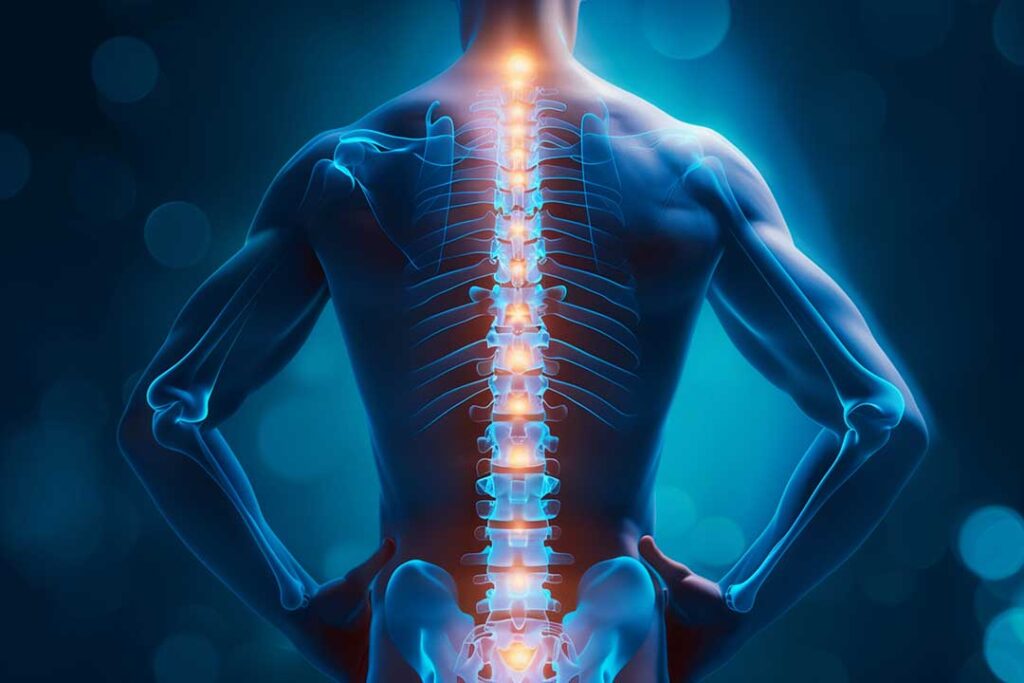
Living with ongoing pain can affect movement, sleep, work, mood, and ordinary household tasks. Self-care does not mean ignoring pain or managing everything alone. It means using practical daily habits—along with appropriate medical guidance—to improve function, reduce flare-ups, and stay involved in meaningful activities.
What does chronic pain management involve?
Chronic pain generally refers to pain that continues or returns for months. It may result from an injury, arthritis, nerve irritation, spinal conditions, headaches, or other health problems. Because the causes and patterns differ, no single routine works for everyone.
A useful goal is not always complete pain elimination. A more realistic goal may be to walk farther, sleep more consistently, return to a valued activity, or handle household responsibilities with fewer setbacks. The National Institute of Neurological Disorders and Stroke describes chronic pain care as a combination of physical, behavioral, lifestyle, and medical approaches tailored to the individual. ([ninds.nih.gov](https://www.ninds.nih.gov/health-information/disorders/pain?utm_source=openai))
How can movement help without causing a flare-up?
Gentle, consistent movement is often more useful than alternating between complete rest and intense activity. Physical activity can support sleep, mood, daily function, and—particularly for people with arthritis—pain reduction. Adults with chronic health conditions are encouraged to be active according to their abilities, with gradual progression rather than sudden increases. ([cdc.gov](https://www.cdc.gov/chronic-disease/living-with/index.html?utm_source=openai))
Helpful starting points may include:
- A short walk on level ground
- Gentle range-of-motion exercises
- Water-based movement
- Light strengthening using body weight or resistance bands
- Brief mobility breaks during sitting
Begin below the level that usually triggers a flare. For example, if 20 minutes of walking regularly causes increased symptoms later, try five or ten minutes and observe the response over the next day. Increase duration slowly only when the current level feels manageable.
During colder months in Thompson, outdoor surfaces may be slippery, uneven, or difficult to navigate. Indoor walking, stationary movement, or simple mobility exercises may be safer when snow, ice, or freezing temperatures make outdoor activity less predictable.
What is pacing, and why is it useful?
Pacing means dividing activities into manageable portions so that daily demands remain more even. It helps prevent the “good-day crash,” which occurs when someone feels better, completes many overdue tasks, and then experiences a significant flare.
Instead of cleaning an entire home in one session, a paced approach might involve:
- Choosing one or two priority tasks
- Alternating standing activities with seated tasks
- Taking planned breaks before symptoms become severe
- Using smaller loads when carrying laundry, groceries, or household supplies
- Stopping at a planned point rather than waiting until exhaustion
Pacing should be used on better days as well as difficult days. This creates a steadier routine and makes it easier to judge which activities are actually helping. Patient guidance from pain services commonly recommends balancing activity and rest rather than completing everything at once. ([uclh.nhs.uk](https://www.uclh.nhs.uk/patients-and-visitors/patient-information-pages/energy-and-pacing?utm_source=openai))
Can sleep affect pain?
Poor sleep can increase sensitivity to pain and make coping more difficult. Pain can also interfere with sleep, creating a cycle that is hard to break. A regular sleep and wake time, a quiet bedroom, and a wind-down routine may help the nervous system settle.
Consider:
- Keeping screens and stimulating tasks away from the final part of the evening
- Using gentle breathing or relaxation exercises before bed
- Avoiding large changes in sleep timing after a difficult night
- Recording whether pain, stress, caffeine, or late activity affects sleep
- Asking a healthcare provider about persistent snoring, gasping, or severe daytime sleepiness
A comfortable sleep position may also matter. Some people benefit from a pillow between the knees when side-lying or under the knees when lying on the back. The best arrangement depends on the person and the source of pain.
What relaxation techniques may reduce pain-related tension?
Relaxation techniques do not suggest that pain is imaginary. Stress can increase muscle tension, alertness, and the body’s response to discomfort, so calming strategies may help reduce the added strain surrounding pain.
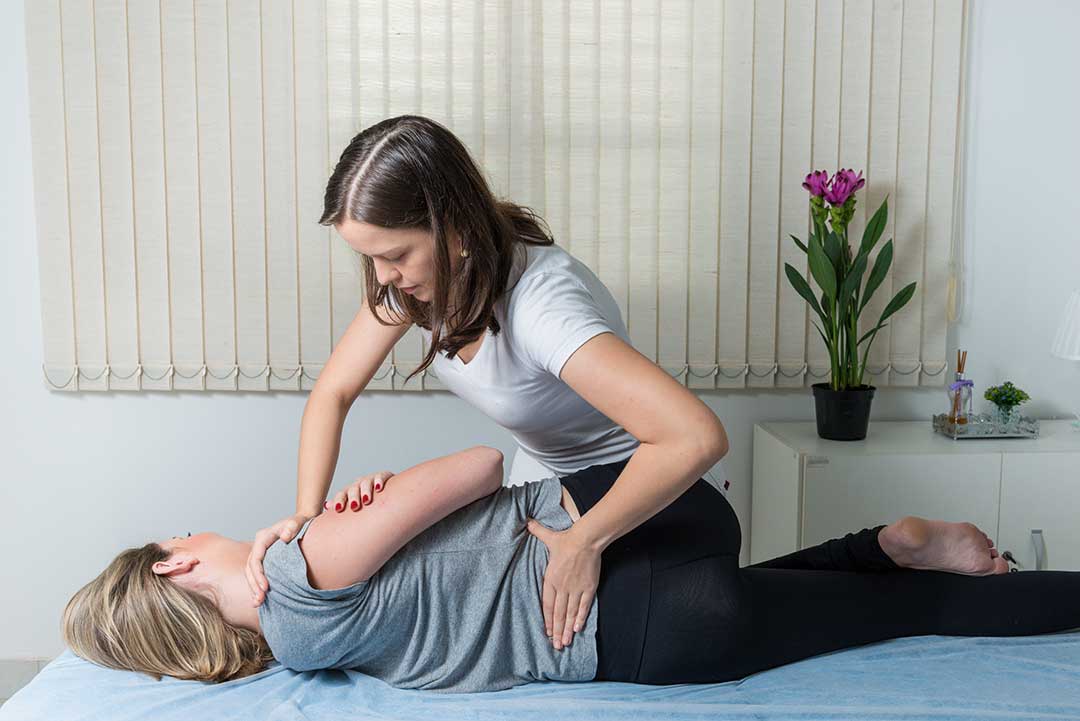
Options include:
- Slow breathing with a longer exhale
- Progressive muscle relaxation
- Mindfulness focused on sounds, breathing, or physical sensations
- Gentle stretching
- Quiet music or guided relaxation
- Brief periods of rest without trying to solve every symptom
Practicing for five minutes when symptoms are relatively calm can make the technique easier to use during a flare. Behavioral approaches, including relaxation, mindfulness, sleep routines, and cognitive-behavioral strategies, are recognized components of chronic pain care. ([ninds.nih.gov](https://www.ninds.nih.gov/health-information/disorders/pain?utm_source=openai))
How should someone respond to a pain flare?
A flare does not always mean new damage has occurred, but a sudden or unusual change should not be dismissed. During a familiar flare, reduce the intensity of activities, maintain gentle movement if tolerated, use previously helpful comfort measures, and return to normal activity gradually.
Avoid two common responses:
- Pushing through severe symptoms to “prove” strength
- Staying completely still for several days without medical direction
Keeping a brief symptom record can reveal patterns involving sleep, weather exposure, prolonged sitting, lifting, stress, or activity level. Seasonal changes in Thompson may influence routines, especially when shoveling, carrying winter equipment, or spending longer periods indoors. A symptom diary can help distinguish a one-time aggravation from a recurring trigger.
Are heat, cold, or over-the-counter medicines appropriate?
Heat may ease muscle tightness, while cold may temporarily reduce discomfort after some activity-related aggravations. Protect the skin, use moderate temperatures, and avoid falling asleep with a heating device in place. People with reduced sensation, circulation problems, or certain medical conditions should ask for individualized guidance before using heat or cold.
Over-the-counter medicines are not automatically safe for everyone. Acetaminophen and anti-inflammatory medicines can have risks involving the liver, kidneys, stomach, heart, blood pressure, pregnancy, or interactions with other medicines. Follow the product label and ask a pharmacist or healthcare provider if there is uncertainty. Do not combine products that contain the same active ingredient.
When does chronic pain need prompt medical attention?
Seek urgent medical care for pain accompanied by chest pressure, trouble breathing, fainting, sudden weakness, new loss of bladder or bowel control, numbness in the groin area, severe unexplained abdominal pain, major trauma, or a rapidly worsening neurological symptom.
Arrange medical evaluation for persistent pain that is progressively worsening, causes unexplained weight loss or fever, repeatedly disrupts sleep, follows a significant injury, or limits ordinary activities. A chiropractor, primary care clinician, physical therapist, or other qualified healthcare professional may help assess movement and function, but the appropriate type of care depends on the symptoms and underlying cause.
Self-care works best when it is specific, gradual, and measured by function—not by expecting every day to feel pain-free. A manageable routine of movement, pacing, sleep support, relaxation, and appropriate medical follow-up can provide a safer foundation for living with ongoing pain.
