
 See Our Latest Article on HelloNation
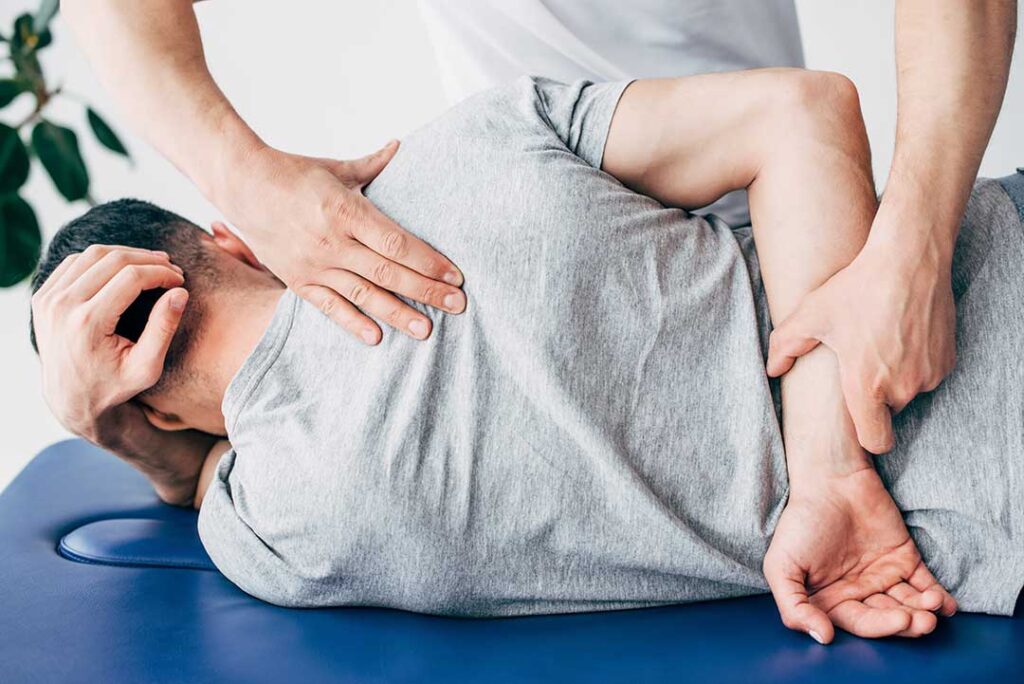
Back pain often raises a simple but confusing question: should the area be cooled with ice or warmed with heat? The answer depends on what triggered the pain, how long it has been present, and which approach helps you move more comfortably.
For many people in Thompson, NY, back pain may follow snow shoveling, lifting seasonal equipment, gardening, prolonged sitting, or an awkward movement. Ice and heat can both provide short-term relief, but they work differently and should be used carefully.
Should you use ice or heat first?
For a new back injury, ice is often a reasonable first choice during the first 24 to 72 hours, especially if the area feels irritated, tender, or mildly swollen. Cold can dull pain and help limit inflammation after a strain or sudden overuse.
Heat may be more useful when the main problem is stiffness, muscle tightness, or an aching back that has been present for several days. Warmth can help muscles relax and may make gentle movement easier.
The traditional advice is to use ice during the early stage of an acute injury and switch to heat afterward. However, there is no universal rule. Some people feel better with heat from the beginning, while others prefer cold. Comfort and safe use are important guides.
When is ice most helpful?
Ice is generally more useful after a sudden flare-up or physically demanding activity. Examples include:
- A back strain after lifting, shoveling, or twisting
- Soreness that begins soon after an awkward movement
- Local tenderness or a sensation of irritation
- Pain that feels temporarily better when numbed
Use a cold pack wrapped in a thin towel rather than placing ice directly on the skin. Apply it for about 15 to 20 minutes, then allow the skin to return to its normal temperature before repeating. Several short applications during the day are safer than leaving the pack on for a long period.
Cold should feel cool and mildly numbing, not painfully cold, burning, or intensely uncomfortable. Stop if the skin becomes very pale, blotchy, unusually painful, or numb for an extended time.
When does heat work better?
Heat is often helpful for muscle guarding, stiffness, and persistent achiness. It may be especially comfortable in the morning, after sitting for a long period, or before gentle stretching and walking.
A warm shower, bath, microwavable heat pack, or heating pad can be used. The temperature should feel comfortably warm rather than hot. Try heat for approximately 15 to 20 minutes while awake and alert.
Do not sleep with a heating pad. Prolonged exposure can cause burns, even when the heat setting does not initially feel excessive. Extra caution is needed for anyone with reduced sensation, circulation problems, diabetes-related nerve changes, or difficulty noticing skin temperature.
During cold Thompson winters, it can be tempting to use high heat for a long time after working outdoors. A moderate, brief application is safer. Heat should relax the area, not leave the skin red, painful, or irritated.
Is alternating ice and heat safe?
Many people can alternate the two approaches if each one feels helpful. One practical method is to use cold after an activity that aggravates the back and warmth later when stiffness becomes the main complaint.
There is no need to alternate on a strict schedule. Using both is optional, and neither treatment should be continued if it increases pain. Always place a barrier between ice or a heat source and the skin.
Ice and heat mainly provide symptom relief. They do not identify the cause of back pain or correct problems such as a disc condition, fracture, infection, or nerve compression.
How should you combine temperature therapy with movement?
Short periods of relative rest can help during an acute flare, but prolonged bed rest is usually unhelpful. Gentle movement often prevents stiffness from increasing.
After using heat, some people find it easier to walk slowly, change positions, or perform comfortable range-of-motion movements. After ice, allow the area to warm back up before moving vigorously.
For the first few days, reduce activities that clearly worsen symptoms, such as heavy lifting, repeated bending, or twisting. This does not necessarily mean avoiding all activity. Light walking and ordinary movement within tolerable limits are often preferable to staying in bed.
People who shovel snow, carry firewood, work in the yard, or handle household maintenance may benefit from breaking tasks into shorter periods. Alternating sides, keeping loads close to the body, and avoiding sudden twisting can reduce repeated strain.

Does heat or ice treat sciatica?
Heat or ice may temporarily ease discomfort associated with sciatica, but they do not treat the underlying nerve irritation. Sciatica may include pain traveling from the back into the buttock, thigh, calf, or foot, along with tingling, numbness, or weakness.
A cold pack may help during a painful flare, while heat may reduce muscle tightness around the lower back or hip. Use whichever provides relief without worsening symptoms.
Leg weakness, worsening numbness, difficulty walking, or pain that continues to intensify deserves medical evaluation rather than repeated home treatment alone.
When should back pain be checked promptly?
Most uncomplicated back strains improve gradually, but certain symptoms may signal a more serious problem. Prompt medical attention is appropriate for back pain accompanied by:
- New loss of bladder or bowel control
- Numbness around the groin or inner thighs
- Significant or progressive leg weakness
- Fever, chills, or feeling unusually ill
- Unexplained weight loss
- Severe pain after a fall, collision, or other injury
- Pain that is constant, rapidly worsening, or strongly worse at night
- A history of cancer, major bone weakness, or immune suppression
Back pain that does not begin improving after several days, keeps returning, or interferes substantially with walking, sleeping, work, or daily tasks also deserves assessment. A chiropractor, physician, physical therapist, or other qualified health professional may help determine whether the symptoms are muscular, joint-related, nerve-related, or connected to another condition.
The practical answer
For a new strain, try wrapped ice for short periods during the first day or two if it reduces soreness or irritation. For stiffness and muscle tightness, gentle heat may be more comfortable. After the early inflammatory phase, either option—or occasional alternation—can be reasonable if used safely.
The best choice is the one that reduces symptoms enough to support comfortable, gentle movement without causing skin injury or masking warning signs.
