
 See Our Latest Article on HelloNation

Can Soreness Happen After a Chiropractic Adjustment?
Yes, mild soreness is a common experience after a chiropractic adjustment—especially for those new to chiropractic care or returning after a long break. The sensation usually feels similar to what someone might feel after unaccustomed physical activity, and it generally fades within a day or two.
Soreness most often develops in the specific area that was adjusted. This may feel like a mild ache, stiffness, or slight tenderness. Many residents around Thompson experience this normal physical response, and it is usually not something to worry about.
Why Does Soreness Occur?
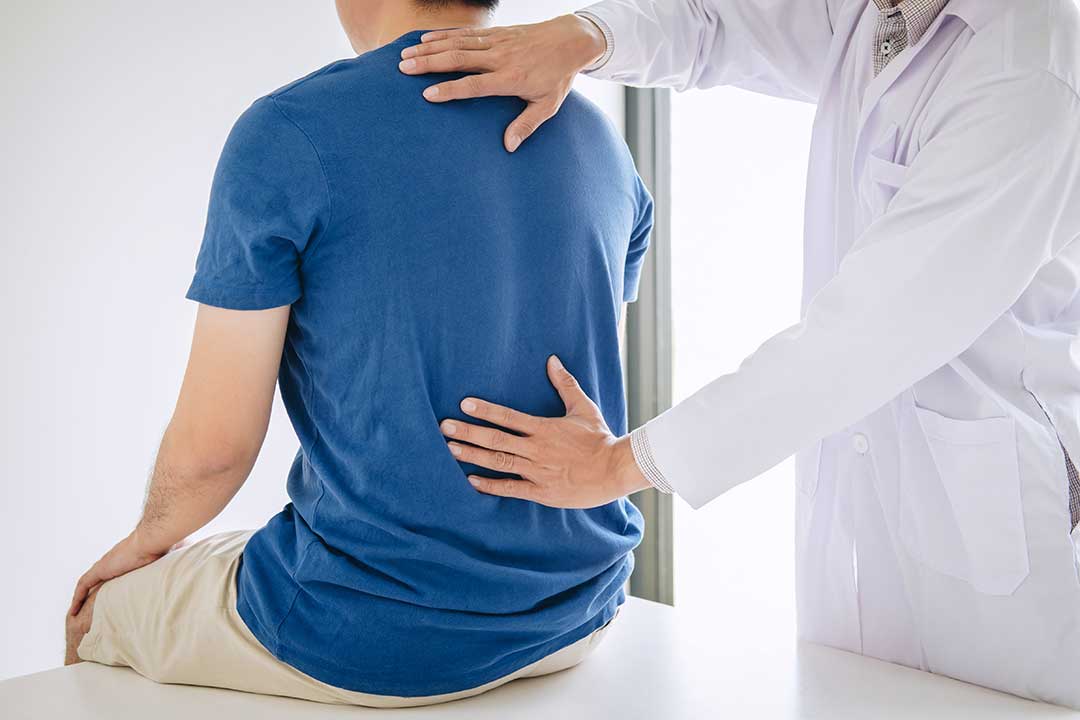
A chiropractic adjustment involves precise, controlled movements applied to the spine or joints. When these areas are mobilized, the muscles and soft tissues surrounding them can react—much like they do after stretching or starting new exercise routines.
Key reasons for this temporary discomfort include:
- Minor muscle strain as tissues adapt to new movement patterns
- Increased circulation and localized inflammation as the body repairs and readjusts
- The natural release of tension that can leave muscles feeling “worked”
Those living in colder-weather regions or spending months indoors, as is common in the city during long winters, may notice a more pronounced effect if they are less physically active during those months.
How Long Does Soreness Last?
Mild soreness typically lasts 24-48 hours but can linger slightly longer depending on factors such as:
- Individual sensitivity
- Areas adjusted
- Frequency of recent physical activity
- Previous injury or chronic tension
Residents who are generally active or who regularly move, such as those who maintain outdoor hobbies or have physically engaging jobs, might recover even faster. People who are more sedentary or experiencing higher stress may notice the effects last a bit longer.
How Can Local Residents Manage Post-Adjustment Soreness?
Managing soreness at home is usually straightforward. Many strategies mirror those used after exercise:
- Apply a cold pack to the sore area for 10–15 minutes at a time to reduce inflammation
- Use heat for brief periods to facilitate muscle relaxation if there is no visible swelling
- Gentle stretching or walking can help keep muscles loose
- Stay hydrated, as this can help with muscle recovery
- Avoid overexertion immediately following the adjustment
People in Thompson who spend considerable time outdoors, especially during the changing seasons, may find temperature-based relief particularly effective. For example, using a warm towel after returning home in winter or a cool pack in warmer weather can be especially soothing.
When Should Soreness Be a Concern?
Although post-adjustment soreness is usually mild and self-limited, there are times it’s worth paying closer attention:
- Soreness that worsens over several days
- Severe or sharp pain rather than mild ache
- Numbness, tingling, or weakness in limbs
- Signs of injury, such as swelling that doesn't resolve
If any of these symptoms develop, it may indicate something more than routine muscle adaptation. Area residents should consider these warning signs as indicators to seek further evaluation from a medical provider.
What Are Some Common Misconceptions?
A frequent misconception is that soreness automatically means something has gone wrong or that the adjustment was “too strong.” In reality, mild discomfort is often a positive sign that the body is responding and tissues are becoming more flexible.
Another misunderstanding is that everyone will feel the same way after an adjustment. People in the community with older injuries, underlying medical conditions, or significant muscle tightness may feel soreness differently—or not at all. Some notice immediate relief and energy, while others feel little to no effect until later in the day.
Practical Examples from the Community
Residents of Thompson with jobs involving repetitive motion or long hours at a desk often report increased stiffness before seeking chiropractic care. After adjustment, many say the ache they experience feels similar to the soreness after returning to gardening in spring or taking a long walk on the local trails after winter.
Those who play sports or engage in regular physical activity often compare post-adjustment soreness to the stiffness that follows a new workout. Seniors in the area, particularly during colder months, sometimes feel a bit more achy initially, but usually share that the sensation fades as their bodies get used to moving differently.
How Does Local Climate Affect Recovery?
Cold weather, common for much of the year in Thompson, can impact how quickly the body recovers from any physical change, including chiropractic adjustment. Muscles tend to be less flexible when cold, so mild soreness or stiffness may be noticed more during the winter, especially for those who heat their homes and go outdoors less often.
In contrast, during warmer months, increased outdoor activity and higher baseline mobility can mean soreness is either less noticeable or passes faster.
Should People Prepare for Soreness?
There’s no need for major preparations, but making a few simple adjustments can be helpful:
- Wear comfortable, flexible clothing to a chiropractic appointment
- Plan for a light activity or rest period for the remainder of the day, especially if it's your first visit or first adjustment in many months
- Stay hydrated and consider gentle walking or stretching at home afterward
Area residents who follow these tips often report feeling more comfortable and relaxed following an adjustment.
