
 See Our Latest Article on HelloNation
What does “subluxation” mean?
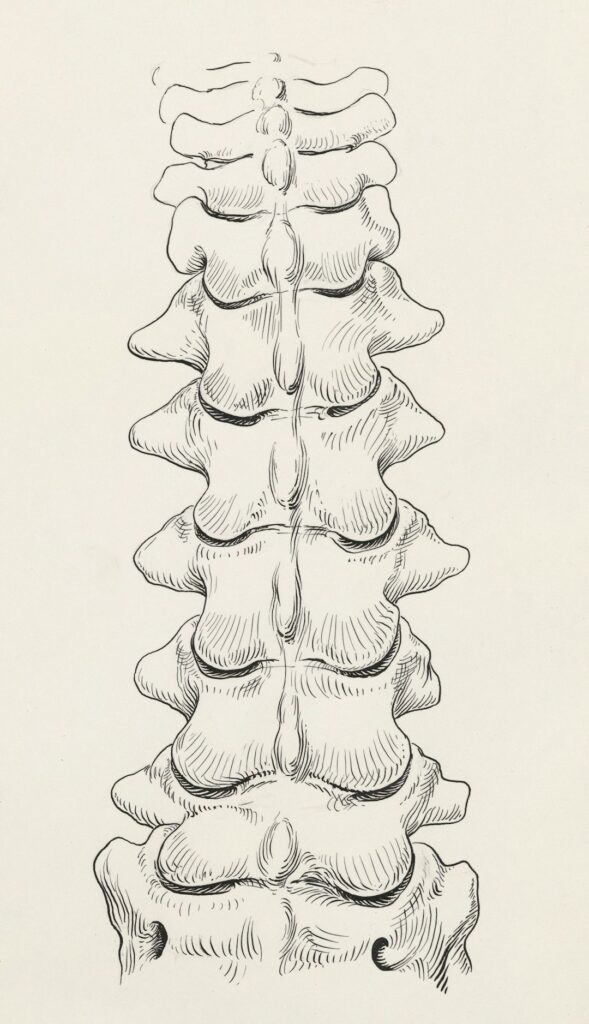
A subluxation is a partial loss of normal joint alignment or movement. In conventional medical terminology, the word often refers to a joint that is not completely dislocated but is no longer positioned normally. In chiropractic settings, “subluxation” may describe restricted movement, altered joint mechanics, muscle tension, or irritation involving the spine and surrounding tissues.
The term does not always mean that a spinal bone has visibly shifted out of place. Many people who hear the word assume that a vertebra is severely “out of alignment.” In reality, spinal discomfort can result from several factors, including irritated joints, strained muscles, inflamed connective tissues, disc problems, nerve sensitivity, or changes in movement after an injury.
Because the word is used differently in different settings, it is reasonable to ask what a healthcare provider means by “subluxation” and how that conclusion was reached.
Why can a subluxation matter?
A suspected subluxation matters because altered joint movement can affect comfort, mobility, and the way nearby muscles work. A stiff or irritated spinal joint may cause localized pain, tenderness, muscle guarding, or a reduced ability to turn, bend, lift, or sit comfortably.
Some people notice symptoms immediately after a fall, vehicle collision, sports injury, or heavy lifting. Others develop discomfort gradually after prolonged sitting, repetitive work, awkward sleeping positions, or an increase in physical activity.
Possible symptoms include:
- Pain or stiffness in the neck, mid-back, or lower back
- Reduced range of motion
- Muscle tightness or protective spasms
- Pain that changes with posture or movement
- Tenderness around a spinal joint
- Aching after driving, desk work, shoveling, or lifting
- Headache associated with neck tension
A subluxation is not automatically the explanation for every episode of back or neck pain. Similar symptoms can occur with arthritis, disc irritation, muscle strain, ligament injury, nerve compression, osteoporosis, or other conditions that require a different form of evaluation.
How is a spinal subluxation identified?
Assessment usually begins with a health history and physical examination. The examination may include checking posture, spinal movement, muscle tenderness, strength, sensation, reflexes, and how symptoms change with specific movements.
Imaging is not necessary for every case of uncomplicated back or neck pain. X-rays, magnetic resonance imaging, or other tests may be considered when there has been significant trauma, persistent or worsening symptoms, suspected fracture, neurological changes, or concern about another underlying condition.
An image alone does not prove that a particular spinal position is the cause of pain. Spinal structures naturally vary from person to person, and findings such as disc wear or mild arthritis can appear in people who have no symptoms. A useful evaluation connects examination findings with the person’s symptoms, medical history, and daily limitations.
Is a subluxation the same as a dislocation?
No. A dislocation means that the surfaces of a joint have completely lost their normal relationship. A subluxation is a partial displacement or altered relationship. A true traumatic subluxation can be a significant injury, particularly if it involves the neck, a major joint, or a possible fracture.
In everyday chiropractic conversations, however, the word may be used more broadly to describe a joint that is not moving normally. That broader use is not identical to a traumatic partial dislocation diagnosed through medical imaging.
This difference matters because treatment decisions depend on the actual condition. A person with a serious injury, fracture, unstable joint, or spinal cord concern needs appropriate medical assessment rather than routine manipulation.
Can a chiropractor treat a subluxation?
Chiropractic care commonly includes hands-on techniques intended to improve joint motion and reduce musculoskeletal pain. These techniques may include spinal manipulation, mobilization, soft-tissue work, exercise guidance, and advice about movement or posture.
Research supports spinal manipulation as one possible treatment for some people with uncomplicated low back pain. Benefits are generally related to pain reduction and improved function, not proof that every vertebra has been permanently “put back into place.” Results vary, and treatment should be adapted to the individual’s symptoms and health history.
Minor soreness, stiffness, headache, or fatigue can occur for a short time after manipulation. Serious complications are uncommon, but forceful neck manipulation has been associated with rare vascular complications. A careful history should include previous injuries, osteoporosis, cancer, inflammatory disease, blood-clotting concerns, neurological symptoms, and recent surgery.
When should someone seek medical evaluation first?
Certain symptoms should not be attributed to a routine subluxation without further assessment. Prompt medical attention is appropriate for:
- New or worsening weakness in an arm or leg
- Numbness that is spreading or severe
- Loss of bladder or bowel control
- Numbness around the inner thighs or groin
- Severe pain after a fall, collision, or other trauma
- Fever, unexplained weight loss, or feeling acutely ill
- A history of cancer with new spinal pain
- Severe osteoporosis or a known spinal fracture
- Sudden severe headache, dizziness, trouble speaking, vision changes, or difficulty walking

Neck pain accompanied by neurological symptoms deserves particular caution. These signs may indicate nerve, spinal cord, vascular, or other medical problems that require a different type of evaluation.
What local factors can aggravate spinal symptoms?
Residents of Thompson may notice that back and neck symptoms change with seasonal routines. Winter conditions can lead to more shoveling, slipping hazards, stiff muscles, and extended time sitting in a vehicle while roads are difficult. Warmer months may bring yard work, home maintenance, hiking, cycling, or recreational activities that place unfamiliar demands on the back and shoulders.
Household tasks can also contribute. Repeated lifting of firewood, carrying supplies, working overhead, or moving furniture may irritate a joint or muscle even when there is no major injury. The safest response is to avoid repeatedly pushing through sharp or escalating pain, vary positions, use controlled lifting techniques, and return to activity gradually.
What questions should a person ask about the diagnosis?
Clear communication can prevent confusion about the word “subluxation.” Useful questions include:
- What specific structure appears to be involved?
- Is this a partial dislocation, restricted movement, muscle problem, or another condition?
- What examination findings support the assessment?
- Are imaging or additional tests needed?
- What symptoms would require urgent medical attention?
- What are the expected benefits, risks, and alternatives to treatment?
- How will progress be measured?
A subluxation is best understood as a clinical description that must be interpreted in context. The most useful plan focuses on the person’s actual symptoms, physical function, safety risks, and likely cause rather than on the label alone.
